

Domestic & Exempt Well Assessment
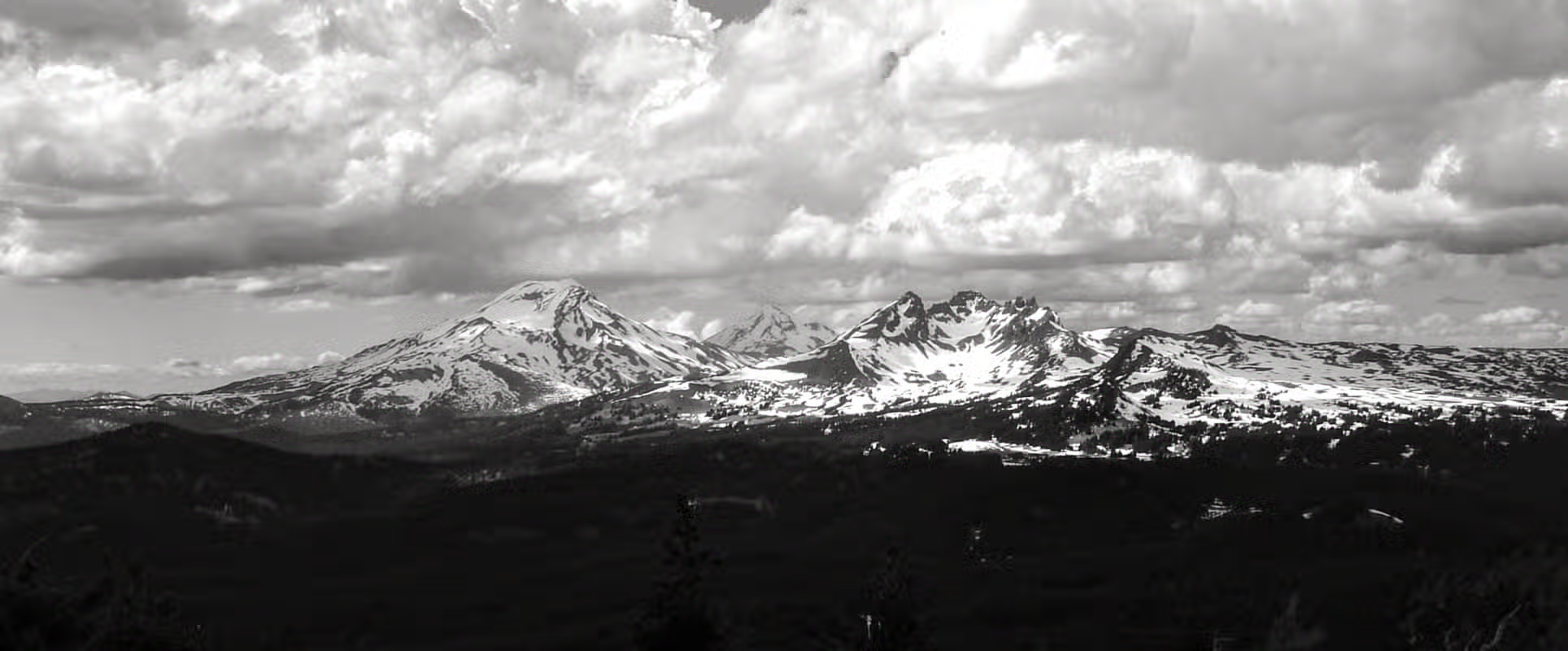
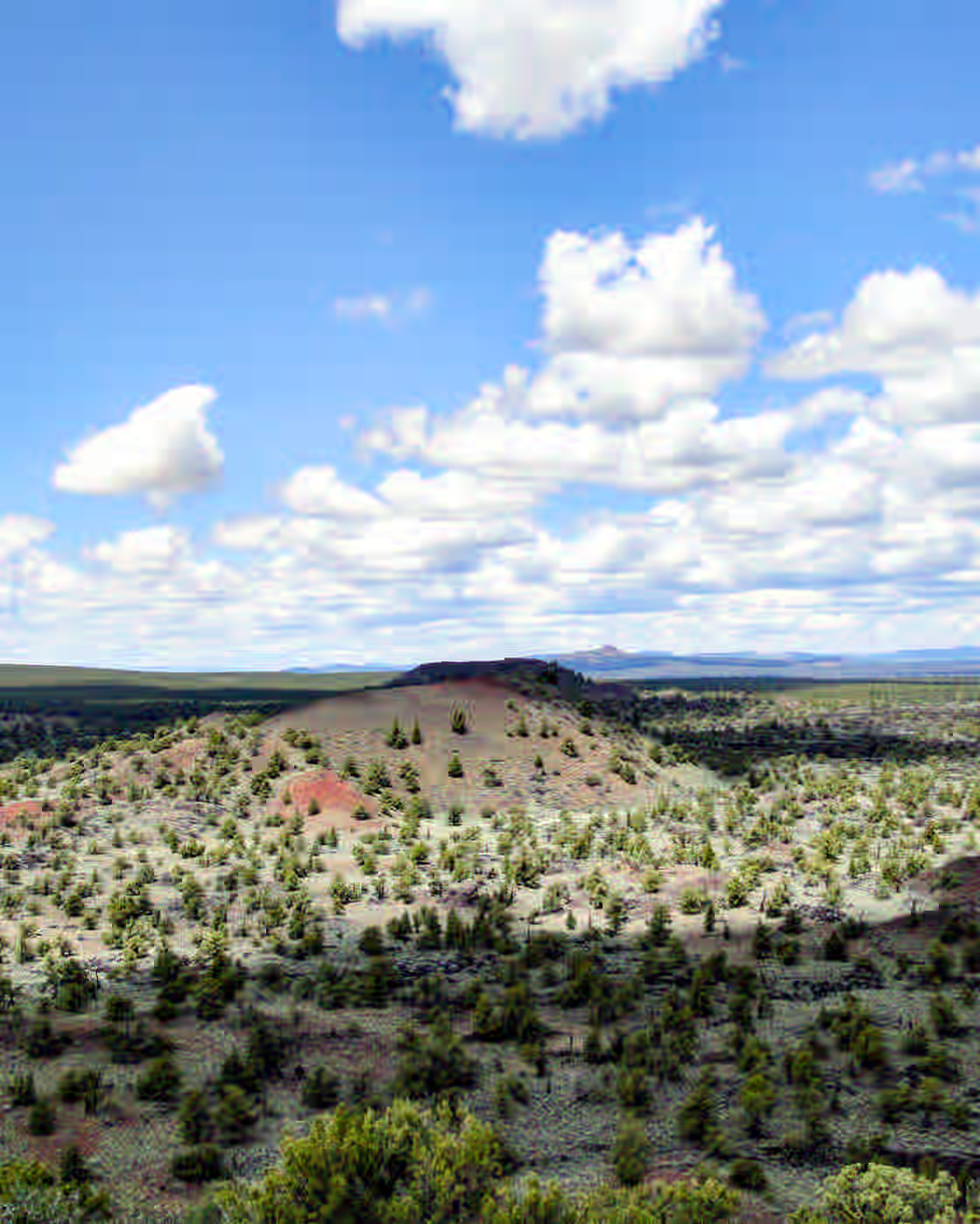
Three Sisters Wilderness, Lane and Deschutes County
Know what comes out of your tap.
Most Oregon homeowners on a private well have never had it professionally assessed. The well log may be on file but whether the casing is intact, how the yield holds under demand, if the water is safe, and how is the aquifer responds to drought are not visible from the surface.
As hydrogeologists, we go past the wellhead and look at the whole picture: construction, yield, water quality, and the aquifer conditions that determine whether your supply is likely to last.
A downhole camera shows the current condition of your casing, screen, and well depth.
A pump test tells you what the well actually delivers under demand.
We coordinate water quality sampling and interpret the results so you know what’s in your water.
Aquifer conditions in your area determine how your well behaves in drought but can change when wells are drilled nearby.
A licensed Oregon hydrogeologist does the assessment and gives you findings you can act on.
A “dry well” doesn’t always mean the well is permanently out of water. – OWRD
What We Assess
Construction & Condition
- Well log review and original construction history
- Downhole camera inspection of casing, screen, and depth
- Casing integrity and evidence of collapse or damage
- Compliance with Oregon’s minimum well construction standards
- Pump placement and whether depth is appropriate for current water levels
- Whether the well can be deepened if water levels continue to decline
Yield & Production
- Pump test to measure yield under real, sustained demand
- Recovery rate after pumping — how fast the well refills
- Whether current yield meets household and land-use needs
- Diagnosis of low yield: aquifer, pump depth, clogging, or construction
- Seasonal and drought-related production risk
- Whether exempt-use limits apply to the intended volume of use
Water Quality
- Coordination of sampling for arsenic, nitrates, coliform, and other contaminants
- Plain-language interpretation of lab results
- Assessment of contamination pathways from neighboring land use
- Agricultural and septic system proximity review
- Historical contamination records research for the area
- Recommendations based on what the results actually show
Aquifer & Drought Risk
- What type of aquifer the well draws from and how it recharges
- Whether the aquifer is prone to drawdown in dry years
- How nearby wells and increased pumping affect local water levels
- Whether the well sits in a critical or classified groundwater area
- Long-term groundwater level trends for the area
- Current conditions on the OWRD groundwater conditions map
Most private wells in Oregon operate under an exemption that requires no permit — but exempt does not mean unlimited, and it does not mean protected in a water shortage.
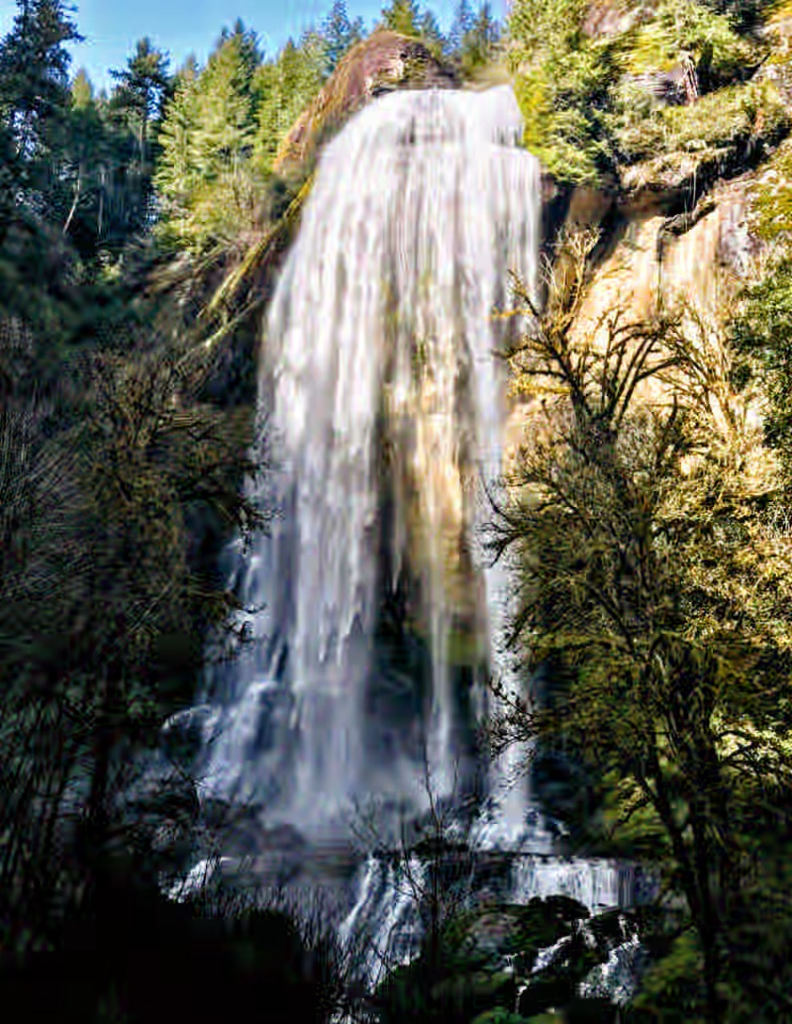
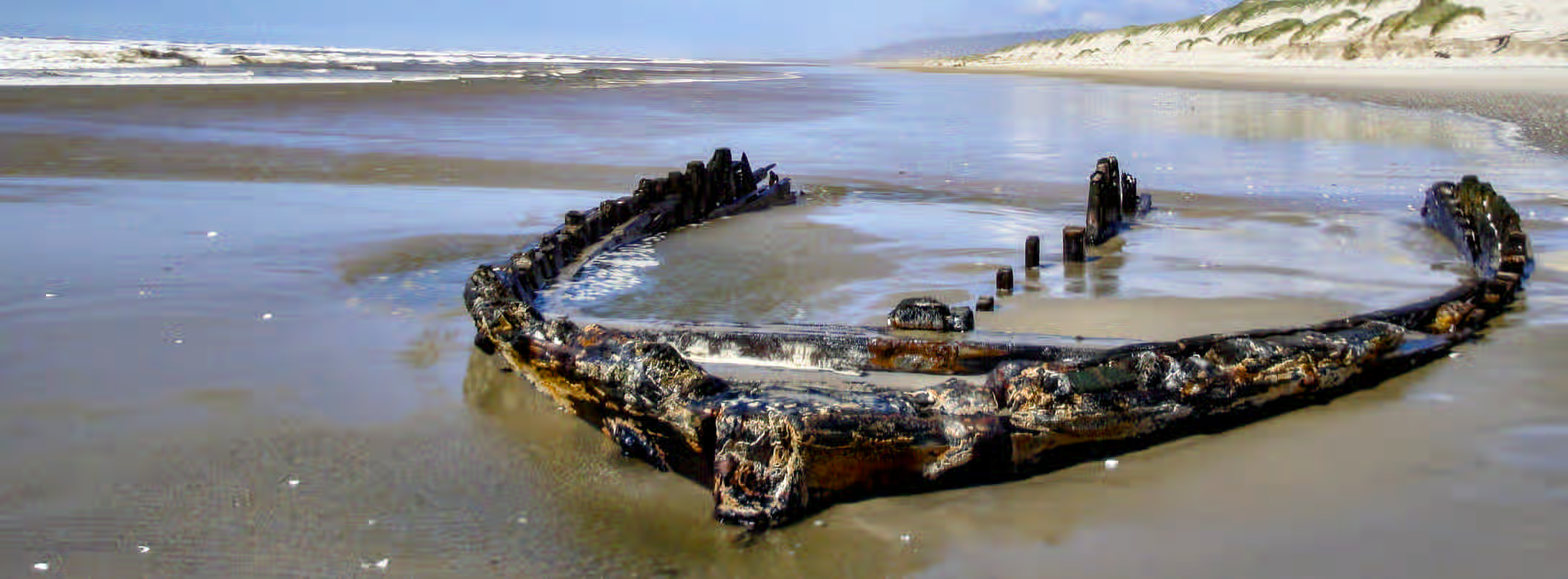
Bones of the Bella, Florence, Lane County
Signs to watch for
Your Well Is Changing
- ✓Low or declining yield, especially in summer or dry years
- ✓Slow recovery after heavy use
- ✓Changes in water color, taste, or smell
- ✓A well that has gone dry or nearly dry
Reasons to get an assessment
You Want To Know
- ✓Whether there are well assessments or water quality tests on record
- ✓Planning to expand your irrigation, livestock, or build a second structure
- ✓Drought conditions in your area and uncertainty about your aquifer
- ✓Peace of mind before another dry summer